


Can Diabetes Affect Your Vision? Why Regular Eye Exams Matter
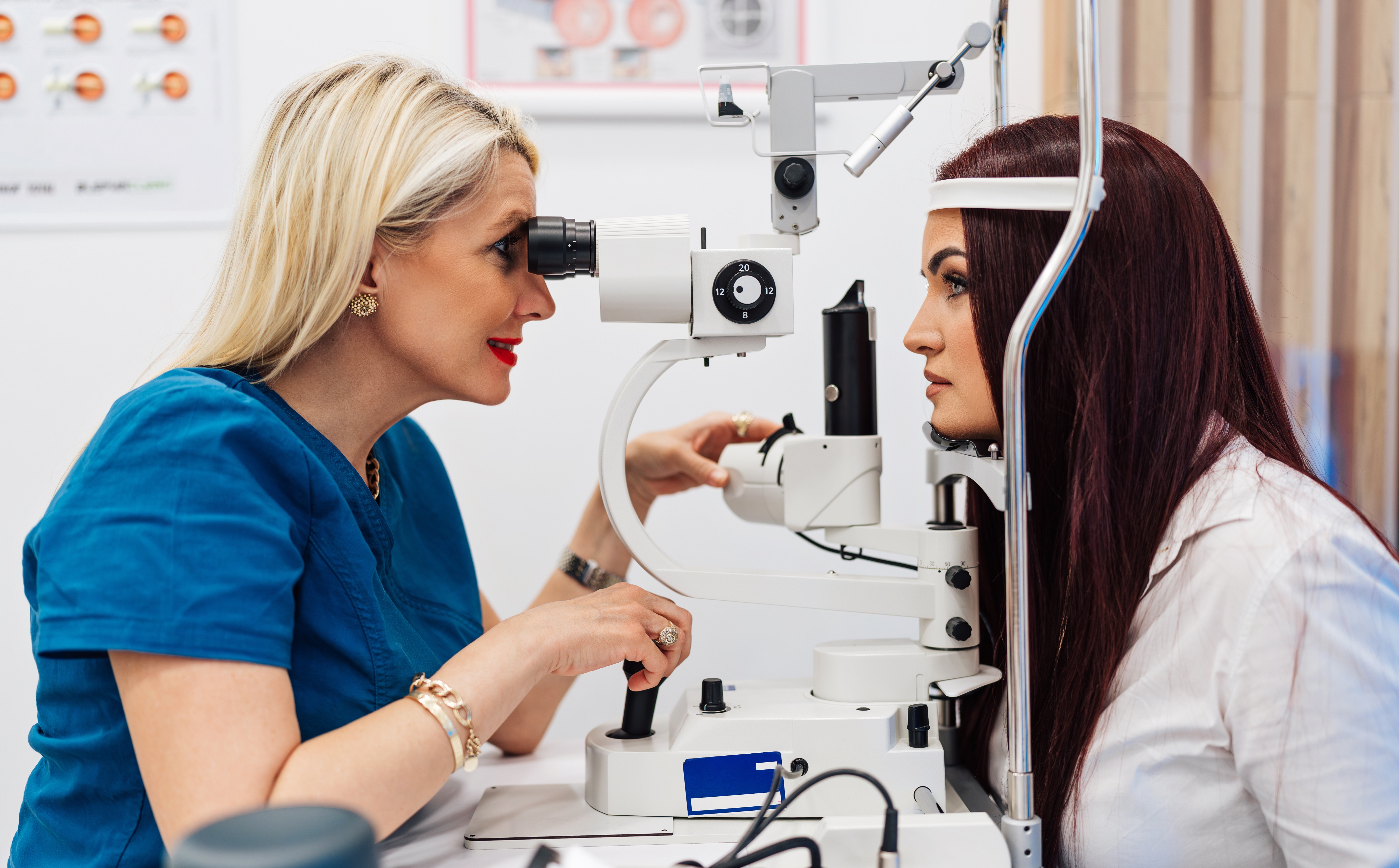
Diabetes can affect many parts of the body, including the eyes. Changes in blood sugar can sometimes cause temporary blurry vision, while long-term diabetes can damage the delicate blood vessels that support the retina. Because some diabetes-related eye conditions can develop without noticeable symptoms, regular eye exams are an important part of protecting your vision. At RCP Eyecare, we provide diabetic eye care to help patients monitor changes in their eye health and identify concerns as early as possible.
How Diabetes Can Affect Your Eyes
High blood sugar over time can damage small blood vessels throughout the body. In the eyes, these changes can affect the retina, the light-sensitive tissue at the back of the eye that plays an essential role in clear vision.
One of the most common diabetes-related eye conditions is diabetic retinopathy. It develops when retinal blood vessels become damaged and may leak fluid or blood. Diabetes can also increase the risk of diabetic macular edema, cataracts, and glaucoma. In the early stages, diabetic eye disease may not cause obvious symptoms. You may still see clearly while changes are developing inside the eye.
Vision Changes You Should Not Ignore
Although diabetic eye disease can be present without symptoms, certain changes should prompt an eye evaluation. These may include:
• Blurry or fluctuating vision
• New floaters or dark spots
• Difficulty seeing clearly at night
• Colors appearing less vivid
• Areas of missing or distorted vision
• Sudden changes in eyesight
Any sudden or significant vision change should be evaluated promptly rather than waiting for your next routine appointment.
Why Diabetic Eye Exams Are Important
A diabetic eye exam allows us to evaluate more than how clearly you can read an eye chart. By examining the retina and other structures inside the eye, we can look for signs of diabetic retinopathy and other eye conditions that may threaten vision.
Finding changes early is especially important because treatment may be more effective before significant vision loss develops. Regular examinations also allow us to compare your eye health from one visit to the next and monitor any changes over time.
For many people with diabetes, a comprehensive dilated eye exam is recommended at least once a year. Depending on your eye health, diabetes history, and any existing retinal changes, more frequent monitoring may be recommended.
Protecting Your Vision Between Eye Exams
Managing your overall health also plays an important role in protecting your eyesight. Keeping blood sugar within the range recommended by your healthcare provider can help reduce the risk of diabetes-related complications. Blood pressure and cholesterol management are also important because they can affect blood vessel health.
Even when your diabetes is well controlled and your vision seems normal, it is still important to keep up with regular eye exams. Eye changes can occur before they become noticeable in everyday life.
Diabetic Eye Care at RCP Eyecare
At RCP Eyecare, we take a proactive approach to diabetic eye care. Our comprehensive eye exams allow us to evaluate your vision, examine your retinal health, and watch for signs of diabetic eye disease. Consistent monitoring gives us the opportunity to identify concerns early and help you take appropriate next steps to protect your long-term vision.
Schedule your diabetic eye exam with RCP Eyecare to stay proactive about your eye health, detect diabetes-related changes early, and protect your vision for the future. Contact any of our seven locations in San Antonio or Selma, Texas. Visit our website to book an appointment or call our office in Quarry Village (210) 988-6897, Northwoods (210) 545-3183, Shops at Westpointe (210) 866-7555, La Cantera (210) 641-2405, Bandera Pointe (726) 208-6454, Ingram Festival (210) 520-0335, or The Forum (210) 659-1479.
Powered by: 