


Dry Eye or Allergies? How to Tell the Difference
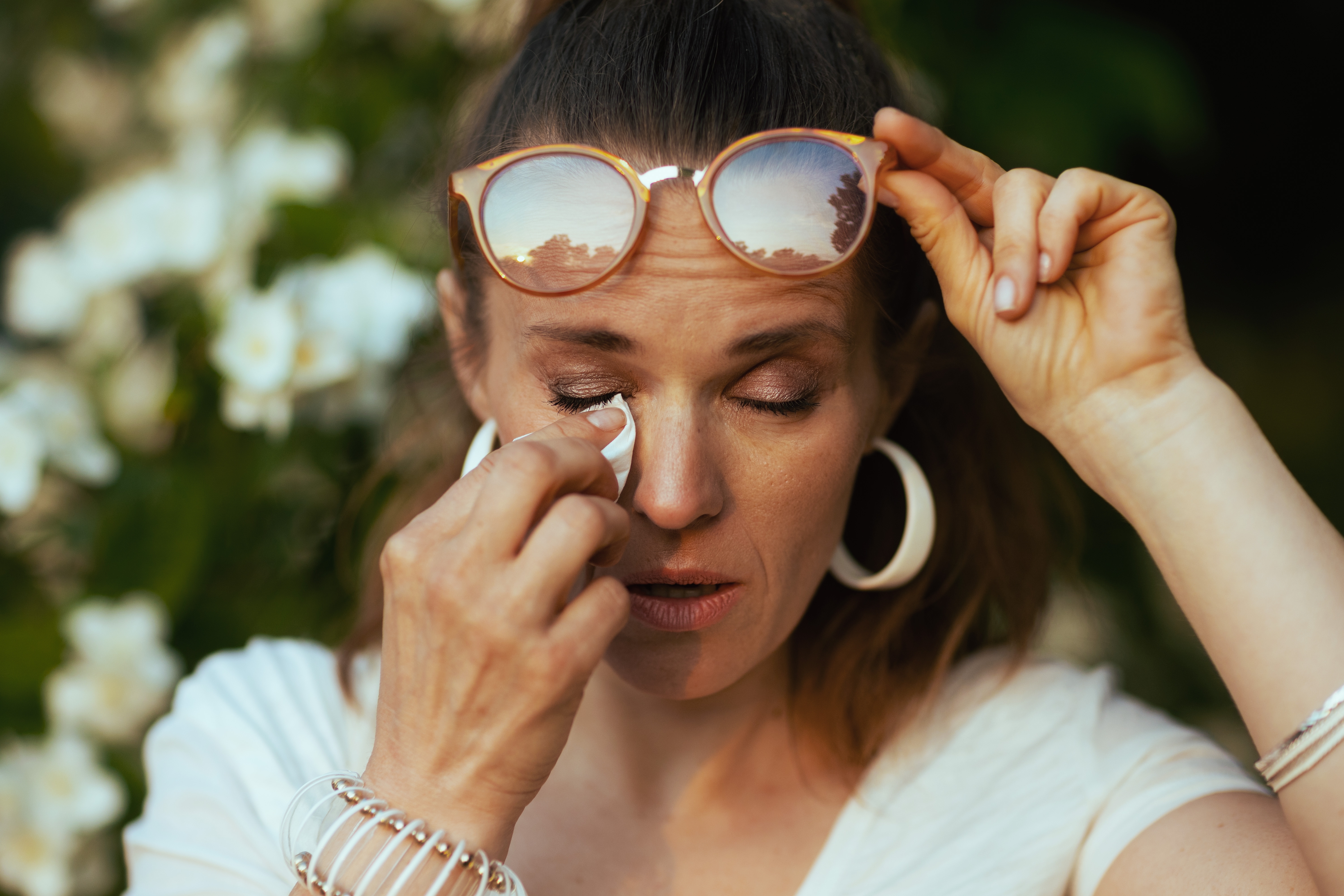
Dry eye and eye allergies can look similar at first - red, irritated eyes that just do not feel right. The difference matters because the right treatment depends on the cause. Dry eye happens when your tears do not lubricate the surface of the eye well enough, while allergies are an immune response to triggers like pollen, pet dander, or dust.
The Most Common Symptom Pattern for Dry Eye
Dry eye often feels like a gritty, scratchy, or burning sensation. Many people describe it as “sand in the eyes,” along with fluctuating vision that improves after blinking. Symptoms can be worse later in the day, during long screen time, while driving, or in air-conditioned or heated environments. You can also have watery eyes with dry eye - reflex tearing is the eye’s way of trying to compensate, but those tears may not stay on the eye long enough to help.
The Most Common Symptom Pattern for Allergies
Allergies usually come with intense itchiness. If itching is the main complaint, allergies move to the top of the list. Allergy symptoms often flare during certain seasons or after exposure to a known trigger. Swelling of the eyelids, watery eyes, and a stringy or mucus-like discharge can also occur. Many people notice allergy symptoms alongside sneezing, congestion, or a runny nose.
Quick Clues That Point One Way or the Other
Use these symptom clues as a starting point, especially if your eyes keep acting up:
- Itching is the main symptom - more likely allergies
- Burning, stinging, or gritty feeling - more likely dry eye
- Symptoms worse with screens, wind, fans, or AC - more likely dry eye
- Symptoms worse outdoors or around pets and dust - more likely allergies
- Thick or stringy discharge - more common with allergies
- Fluctuating vision that improves with blinking - common with dry eye
Why Some People Have Both at the Same Time
It is possible to have dry eye and allergies together. Allergies can inflame the eye’s surface, and rubbing itchy eyes can make irritation worse. Some allergy drops can also contribute to dryness if used too often. When both are present, treatment usually needs to address inflammation, tear quality, and trigger control.
When to Schedule an Eye Exam
If symptoms last more than a week or keep returning, a comprehensive exam can help confirm the cause and rule out other issues that can mimic dryness or allergies. Call promptly if you have significant pain, light sensitivity, thick pus-like discharge, sudden vision changes, or redness in one eye that is getting worse, since those symptoms may require urgent evaluation.
To get clear answers about your symptoms, schedule a comprehensive eye exam at RCP Eyecare. Contact any of our seven locations in San Antonio or Selma, Texas. Visit our website to book an appointment or call our office in Quarry Village (210) 988-6897, Northwoods (210) 545-3183, Shops at Westpointe (210) 866-7555, La Cantera (210) 641-2405, Bandera Pointe (726) 208-6454, Ingram Festival (210) 520-0335, or The Forum (210) 659-1479.
Powered by: 