


Why Dry Eye Is Becoming So Common in Young Adults

Dry eye disease was once considered a condition that mainly affected older adults. Today, eye doctors are seeing a growing number of young adults experiencing dry, irritated, and uncomfortable eyes. From long hours on digital devices to lifestyle and environmental factors, dry eye has become increasingly common in younger generations.
What Is Dry Eye?
Dry eye occurs when your eyes don’t produce enough tears or when the tears evaporate too quickly. Healthy tears are essential for maintaining clear vision and keeping the surface of the eye comfortable and protected. When tear balance is disrupted, it can lead to inflammation and damage to the eye’s surface.
Common symptoms of dry eye include:
• Burning or stinging sensations
• Redness or irritation
• Gritty or sandy feeling in the eyes
• Blurred vision that comes and goes
• Eye fatigue, especially after screen use
The Role of Increased Screen Time
One of the biggest contributors to dry eye in young adults is prolonged screen time. Whether it’s work, school, gaming, or social media, many people spend several hours a day looking at screens.
When you focus on a digital device, you tend to blink less frequently. Blinking helps spread tears evenly across the eyes, keeping them moist. Reduced blinking allows tears to evaporate faster, leading to dryness and irritation. Over time, this constant strain can worsen dry eye symptoms and make them more persistent.
Lifestyle and Environmental Factors
In addition to screen use, modern lifestyles can also increase the risk of dry eye, including:
• Spending time in air-conditioned or heated environments
• Exposure to dry or windy climates
• Wearing contact lenses for long hours
• Inadequate hydration
• Poor sleep habits
These factors can affect tear production and quality, making it harder for the eyes to stay properly lubricated.
Why Early Diagnosis Matters
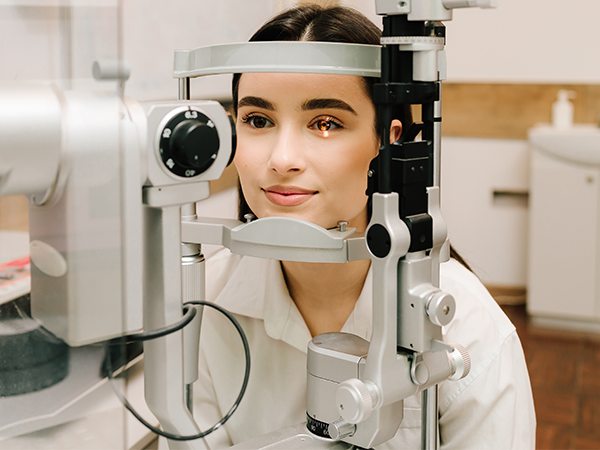
Ignoring dry eye symptoms can lead to inflammation and long-term discomfort. Early diagnosis allows your eye doctor to determine the underlying cause and recommend treatments that may include lifestyle changes, specialized eye drops, or in-office therapies designed to improve tear quality and eye comfort.
Schedule a Comprehensive Eye Exam at RCP Eyecare
Dry eye is becoming increasingly common in young adults due to screen-heavy lifestyles, environmental factors, and daily stress on the eyes. While symptoms may seem mild at first, untreated dry eye can worsen over time. Being proactive about eye health, taking regular screen breaks, and seeking professional care can make a significant difference in long-term comfort and vision.
Schedule a dry eye exam at RCP Eyecare to identify the cause of your symptoms and discuss personalized dry eye treatment options. Contact any of our seven locations in San Antonio or Selma, Texas. Visit our website to book an appointment or call our office in Quarry Village (210) 988-6897, Northwoods (210) 545-3183, Shops at Westpointe (210) 866-7555, La Cantera (210) 641-2405, Bandera Pointe (726) 208-6454, Ingram Festival (210) 520-0335, or The Forum (210) 659-1479.
Powered by: 